
Where bands and their fans actually stay connected.
Bandmade Live is a social network between bands and their fans — a timeline they follow and a public showcase that lets promoters discover who is worth booking. The people who came to your shows finally live somewhere that is yours.
Real bands, real fans, inside today.
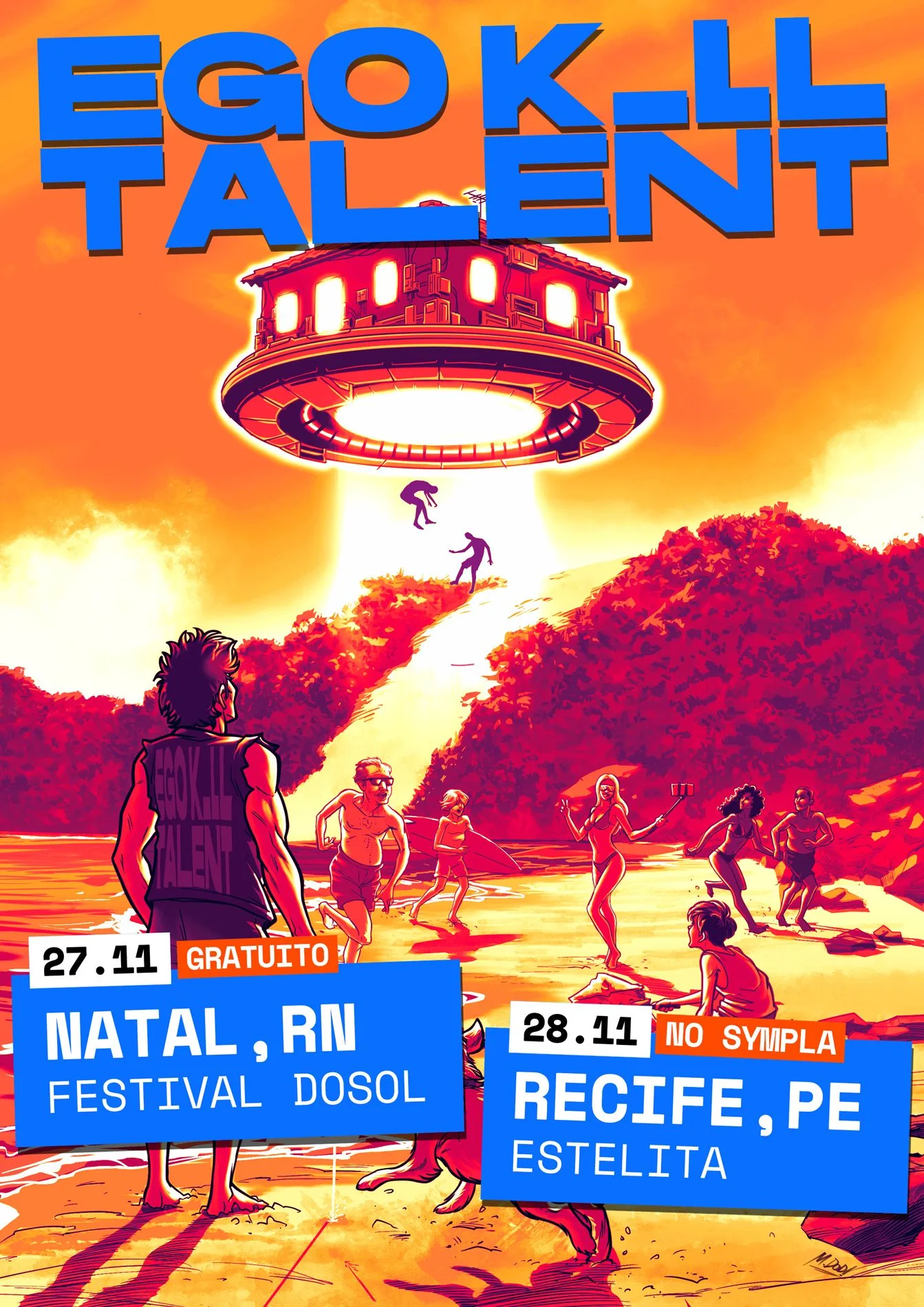 E A Terra Nunca Me Pareceu Tão Distante1mo ago
 Base de Teste1mo ago
 E A Terra Nunca Me Pareceu Tão Distante1mo ago
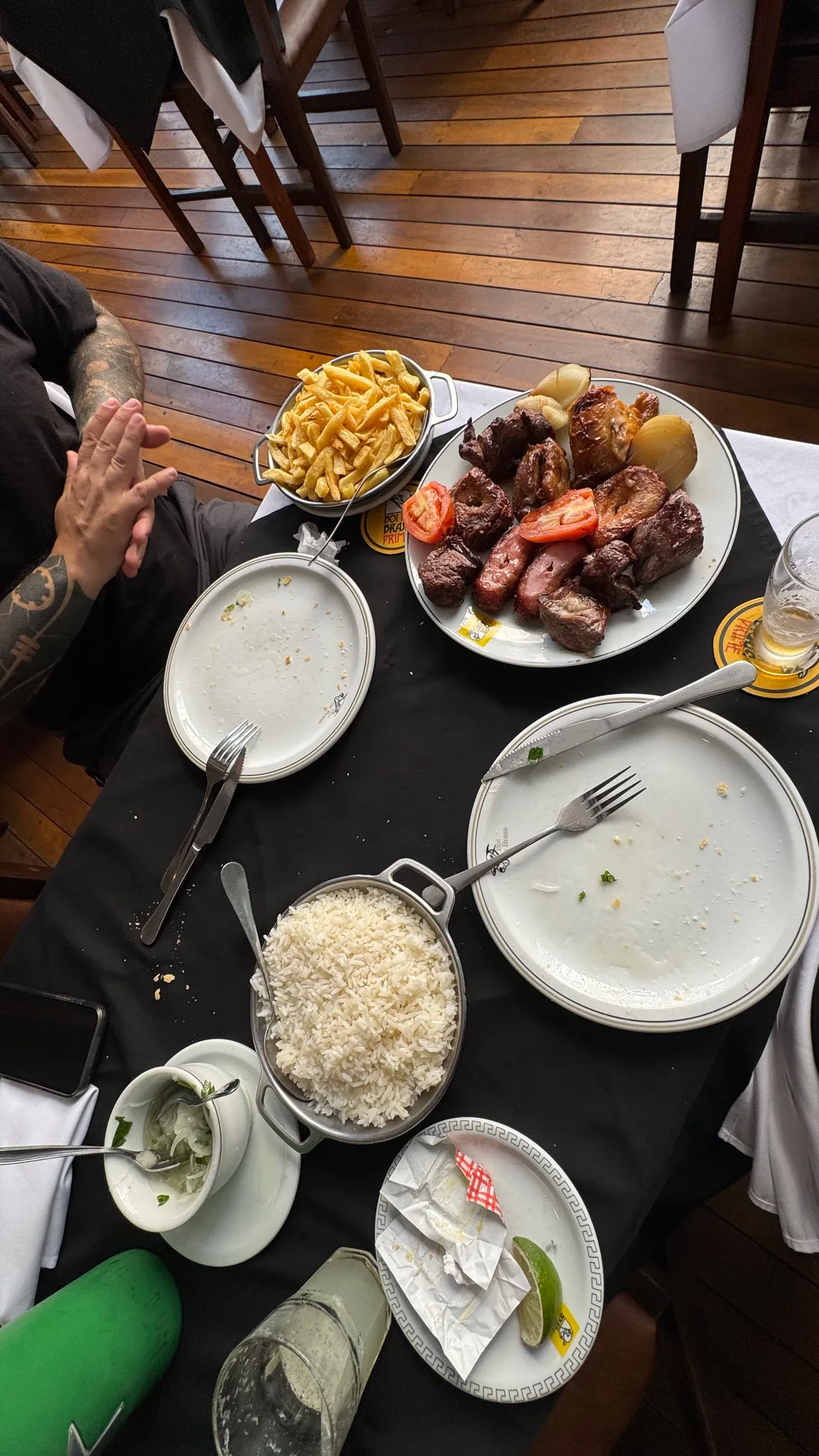 E A Terra Nunca Me Pareceu Tão Distante1mo ago
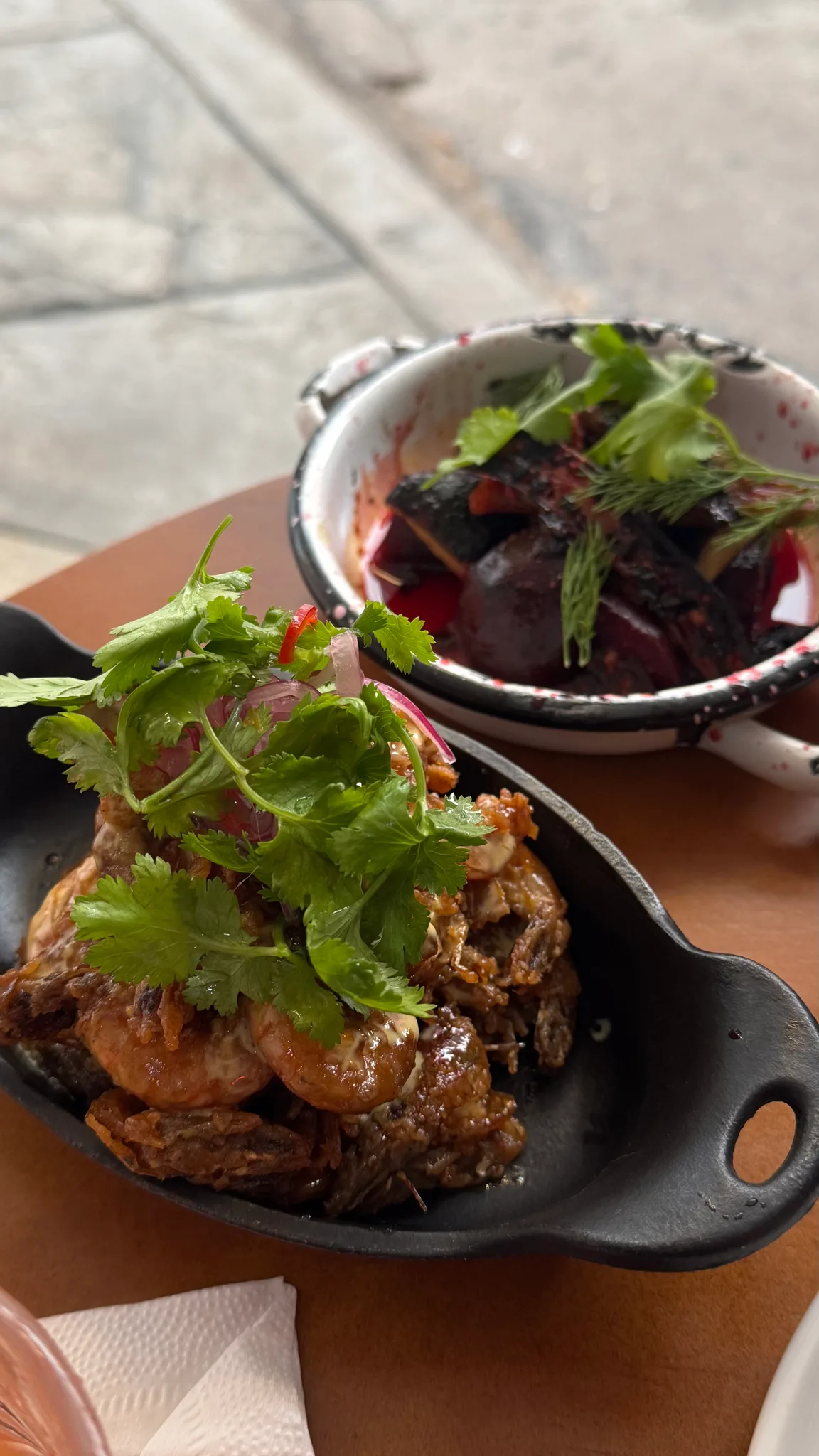 E A Terra Nunca Me Pareceu Tão Distante1mo ago
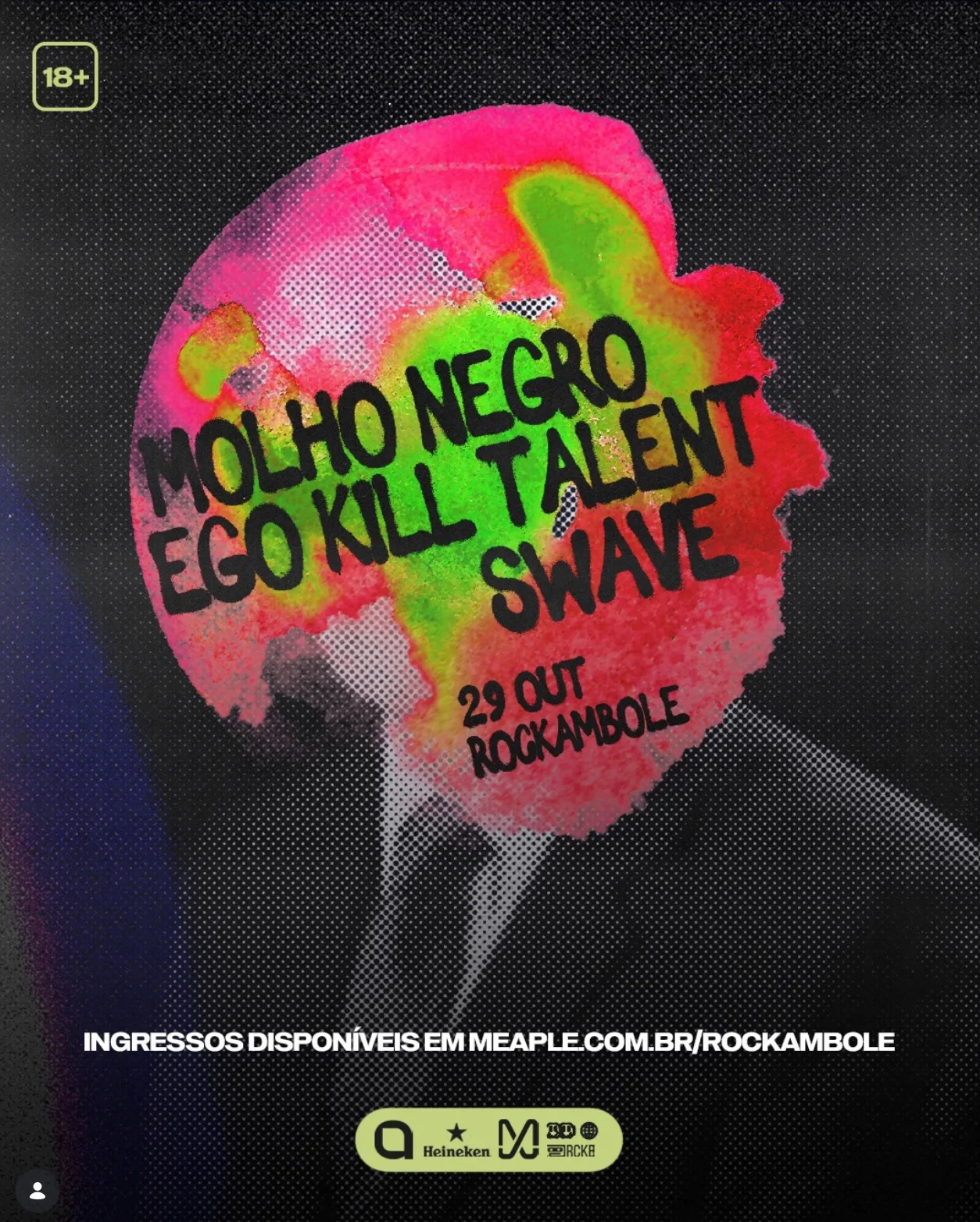 E A Terra Nunca Me Pareceu Tão Distante1mo ago
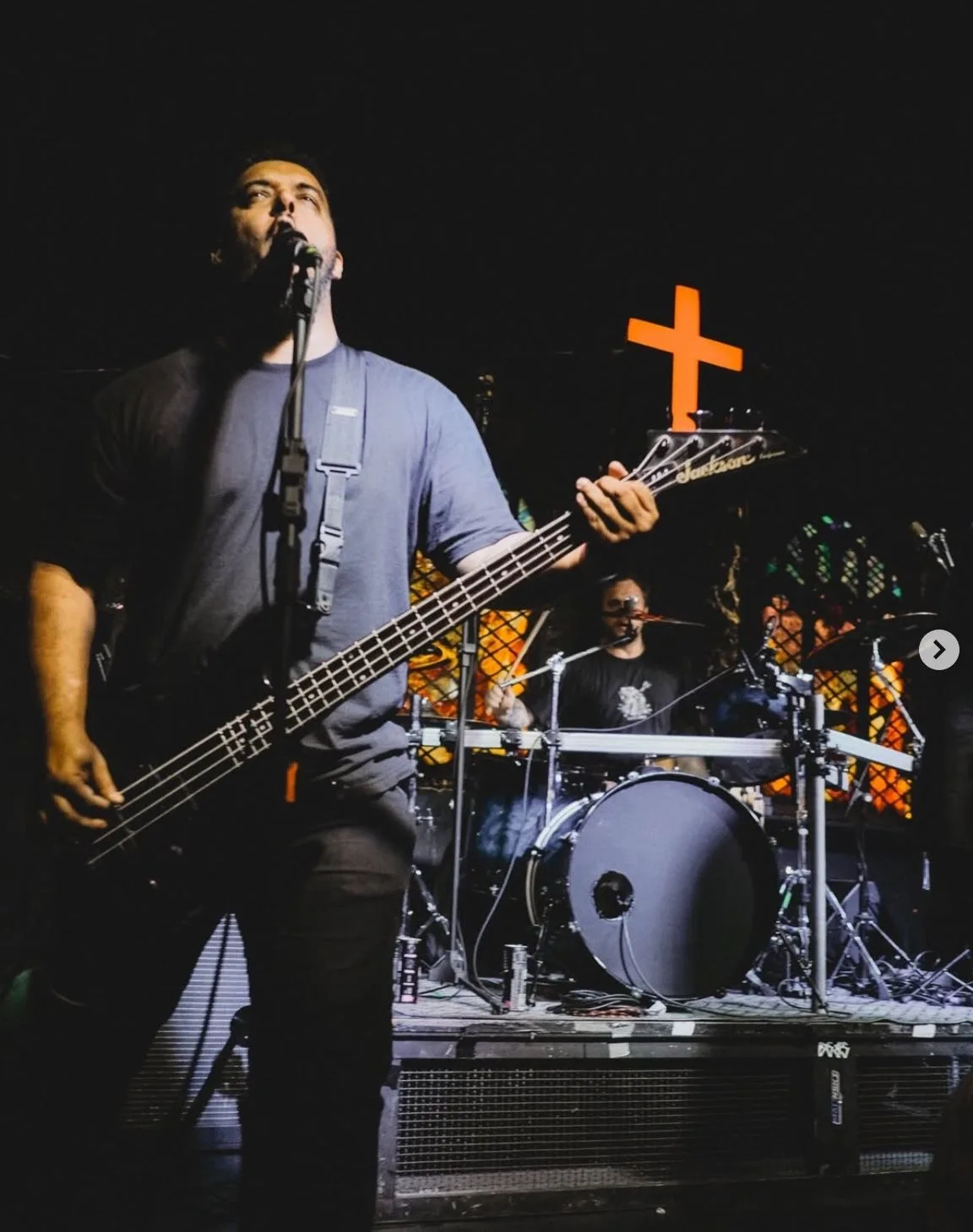 Desalmado1mo ago
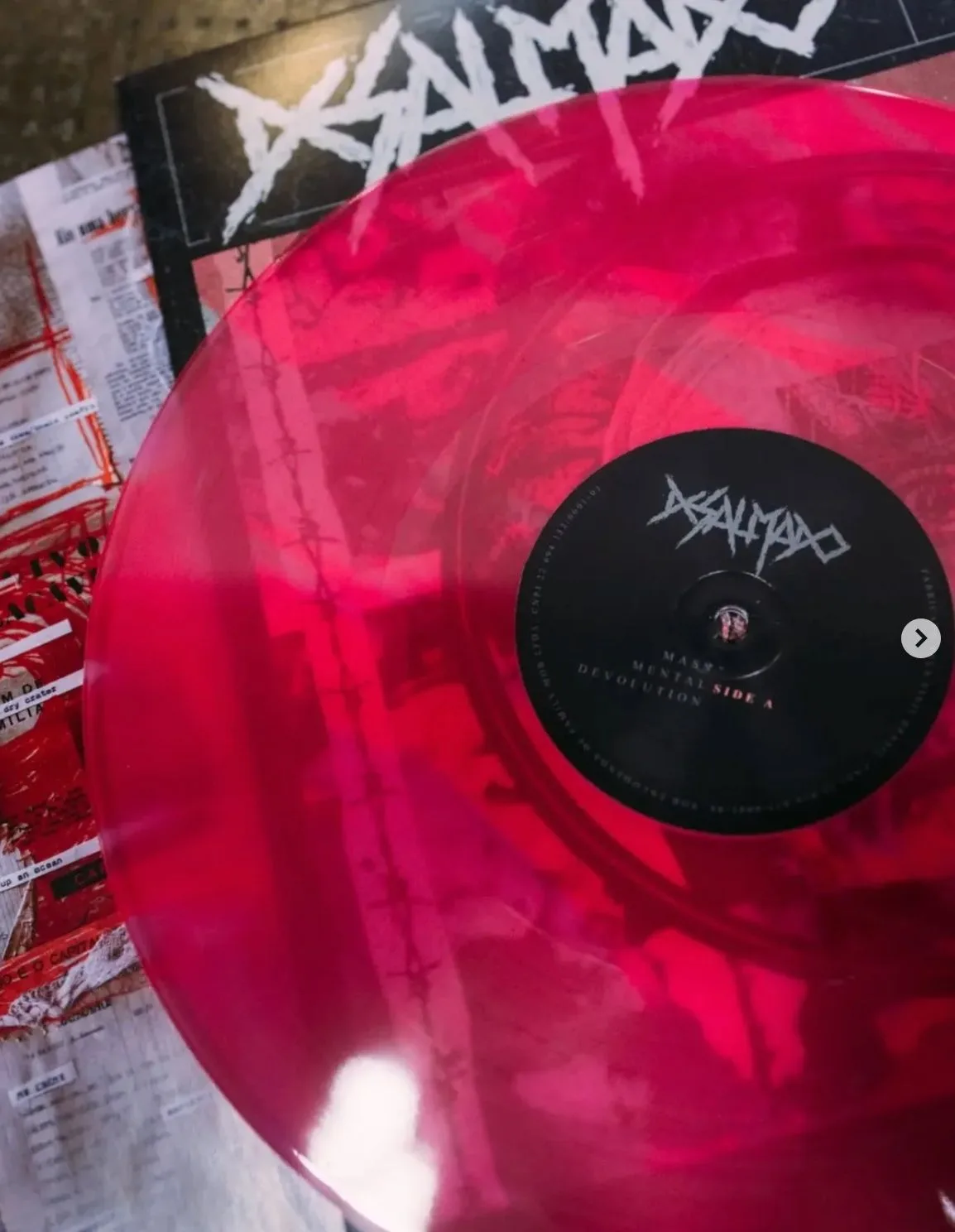 Desalmado1mo ago
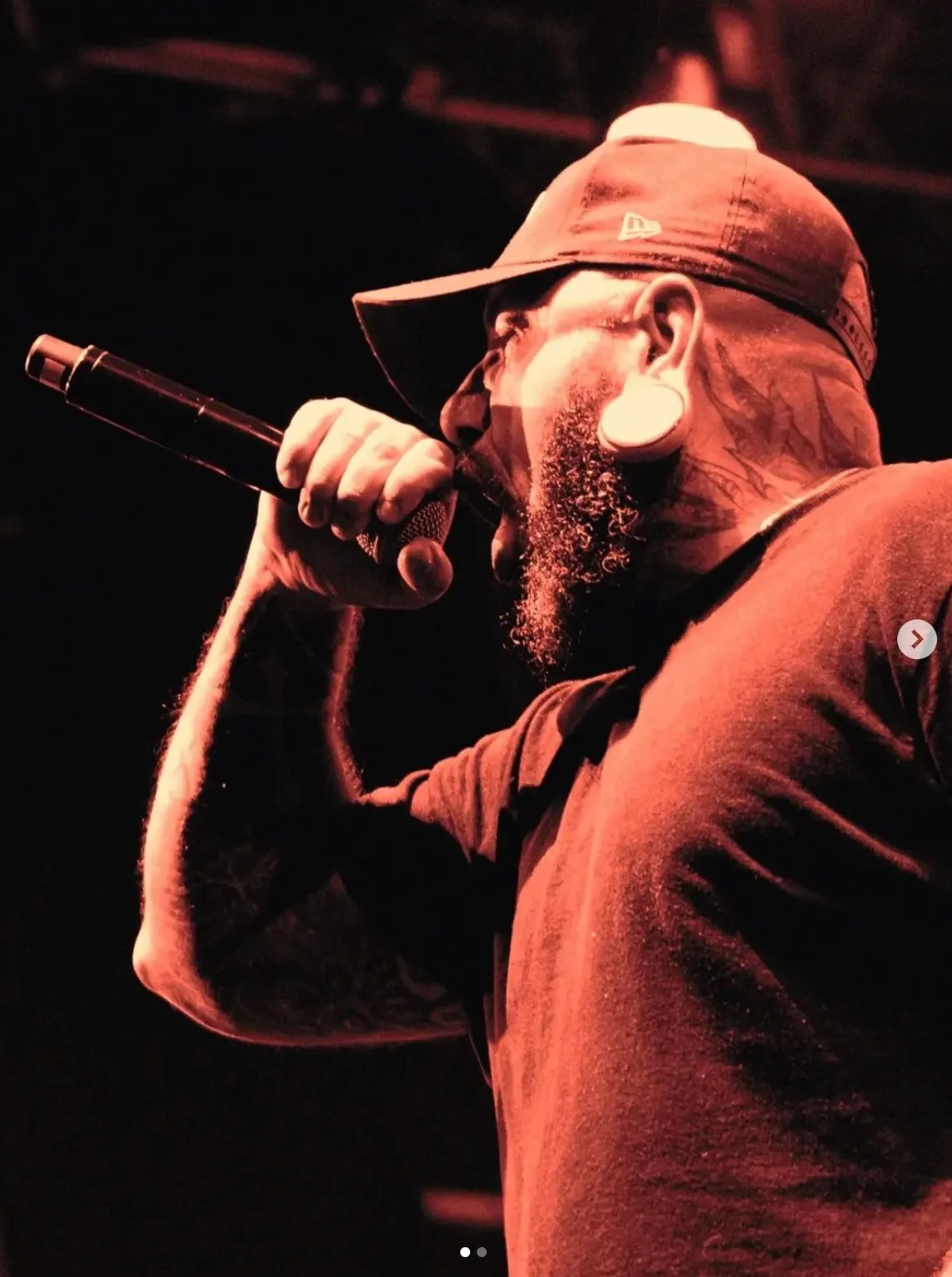 Desalmado1mo ago
 Desalmado1mo ago
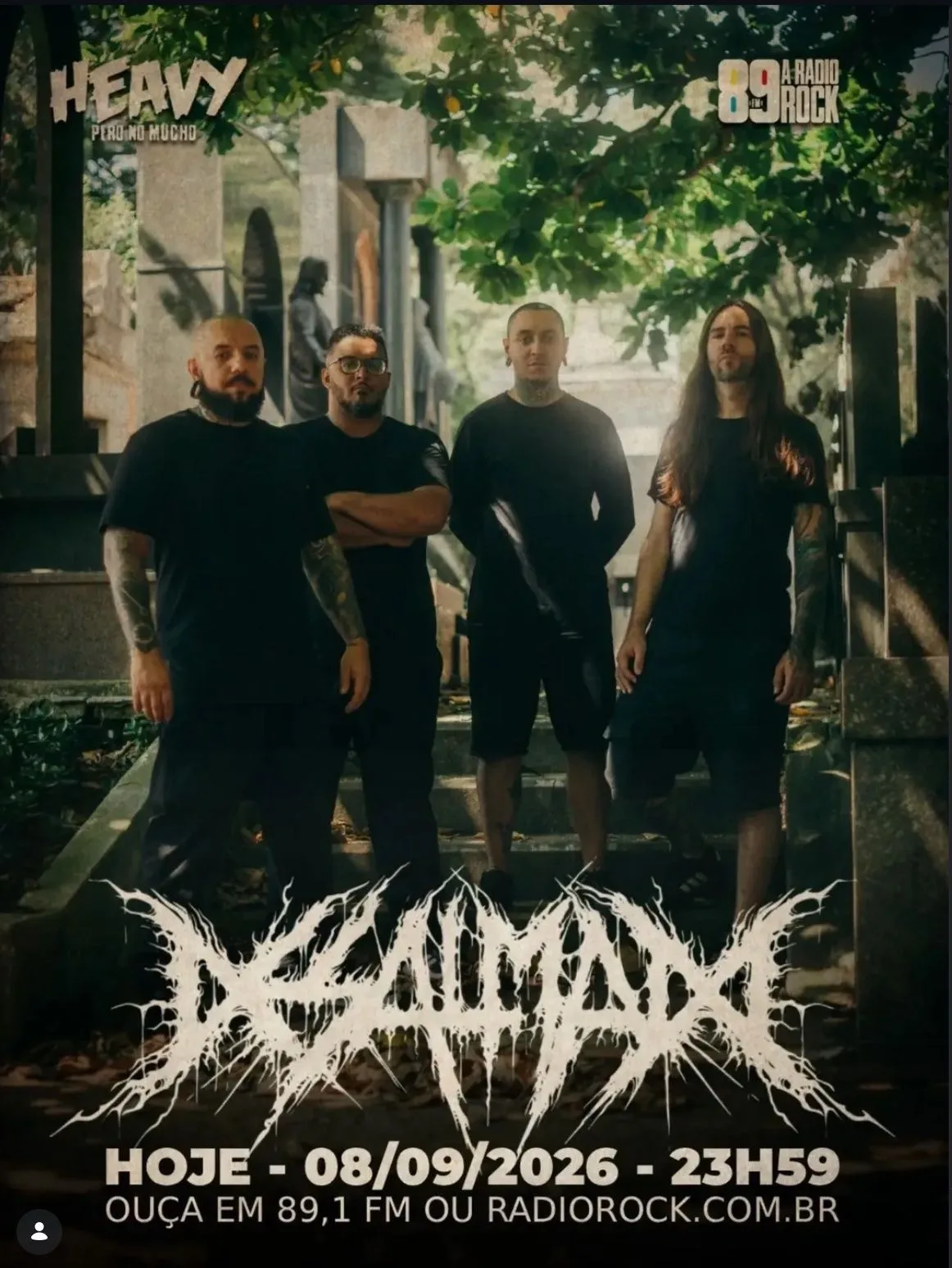 Desalmado1mo ago
Built for bands, fans and the people who book them.
Own subdomain and site, an Instagram-style timeline your fans actually follow, exclusive content tiers, and a booking page ready for promoters. One monthly plan.
One timeline across every band you follow, shows in your city, and perks that come from turning up — early access, coupons, exclusive drops. The platform never charges you.
City-level demand you cannot get anywhere else: active base and engagement score by city and genre. Aggregated only — never a single fan’s data.
An engagement score that measures quality, not just size.
A city with thousands of names but little activity reads differently from a small, devoted one — and that changes a tour route. Engagement drives a loop that makes the whole network more valuable the more it turns.
- 1A fan engages
Check-ins, likes and comments — real actions, not sign-ups — raise their engagement score.
- 2The score earns a perk
Early access, an exclusive link, a coupon the band controls. The fan wants more of it.
- 3They bring another fan
Invites only count when the invited fan does something real within 30 days. The base grows honestly.
- 4The data gets richer
A larger, more engaged base means sharper city-level demand — and promoters pay more for it.
Everything the relationship needs, in one place.
A subdomain and ready-made themes that can become the band’s main site.
Post text, photos and articles. Fans read them in one cross-band feed.
A dedicated page promoters can open, with everything they need to book you.
Double opt-in, legal basis on record. Export or delete everything in one click.
Reach a city, a tier or a behaviour from your own domain, reputation kept warm.
Start building your fanbase today.
Free to begin, your own site in minutes, and the audience you already earned finally in one place.